


Single Beam vs Double Beam Spectrophotometer: Key Differences
UV-Vis spectrophotometers are among the most used instruments in pharmaceutical, chemical, food, water and academic laboratories. When buying one, the first big choice is single beam or double beam. Both measure how much light a sample absorbs, but the way they do it affects stability, speed and price.
What Is the Difference?
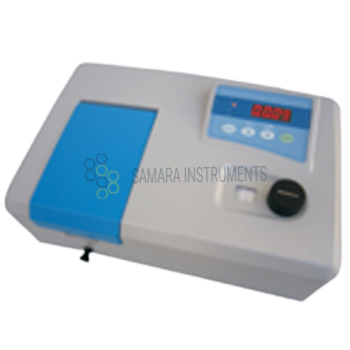
A single beam spectrophotometer passes one light beam through the sample, so you measure a blank first and then the sample. A double beam instrument splits the light into two beams, one through the sample and one through a reference, measured at the same time. Double beam gives better stability over time; single beam is simpler and more affordable.
Comparison Table
| Factor | Single Beam | Double Beam |
|---|---|---|
| Light path | One beam through blank, then sample | Sample and reference measured together |
| Stability | Affected by lamp drift over time | Compensates for drift automatically |
| Best for | Routine single wavelength tests, teaching labs | Scans, long measurements, regulated labs |
| Speed for scans | Slower, re-blanking may be needed | Efficient for wavelength scans |
| Cost | Lower | Higher |
When a Single Beam Instrument Is Enough
For routine quality control at fixed wavelengths, educational use and simple colorimetric tests, a single beam spectrophotometer does the job well. Warm the lamp up properly and blank regularly to keep results reliable.
When to Choose Double Beam
If your work involves full spectrum scans, kinetics over longer periods, or methods where stability is critical, a double beam spectrophotometer is the better investment. Its simultaneous reference measurement corrects for lamp and electronic drift.
Other Specifications That Matter
- Wavelength range, for example UV and visible coverage.
- Spectral bandwidth, which affects resolution.
- Wavelength accuracy and photometric accuracy.
- Stray light performance at low wavelengths.
- Software, data export and compliance features.
Good Measurement Practice
Use clean, matched cuvettes suitable for the wavelength, quartz for UV work. Handle cuvettes by the frosted sides, and check instrument performance with reference standards as part of routine qualification.
Frequently Asked Questions
Is double beam always more accurate?
It is more stable over time. For quick, single wavelength readings with proper blanking, a single beam can perform very well.
Do I need quartz cuvettes?
For UV measurements, yes. Glass and many plastics absorb UV light.
How often should a spectrophotometer be calibrated?
Follow your quality system; many labs verify performance at set intervals with certified standards.
Compare our UV spectrophotometers and the full laboratory meters range, or ask us which suits your methods.