


Sieve Shaker Types Compared: Electromagnetic, Gyratory and Ro-Tap
Particle size analysis is routine in construction materials, pharmaceuticals, food, mining and chemicals. The test is only as good as the sieve shaker behind it. Different shakers move the sieve stack in different ways, and that affects accuracy, speed and which samples they handle well.
Which Sieve Shaker Should You Choose?
Choose an electromagnetic sieve shaker for fine powders and precise, repeatable results; a Ro-Tap style tapping shaker for traditional test methods that specify tapping action; a gyratory shaker for coarser, larger samples; and a table top motorized shaker for general routine sieving on a budget.
Comparison Table
| Type | Motion | Best For |
|---|---|---|
| Electromagnetic | Vertical vibration with adjustable amplitude | Fine powders, pharma, chemicals, quiet operation |
| Ro-Tap (tapping) | Circular motion plus a tapping action | Methods that specify tapping, aggregates, soils |
| Gyratory | Gyratory horizontal motion | Larger, coarser samples |
| Table top motorized | Mechanical vibration | General routine sieving |
Electromagnetic Sieve Shakers
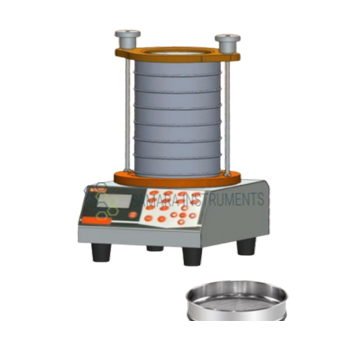
An electromagnetic sieve shaker uses an electromagnetic drive to create a three dimensional throwing motion. Amplitude and time can be set precisely, which gives good repeatability. It is quiet and has few moving parts, so maintenance is low.
Ro-Tap Sieve Shakers
The Ro-Tap sieve shaker combines circular motion with a hammer tapping the top of the stack. Many traditional test standards were written around this action, so labs following those methods often prefer it.
Gyratory and Motorized Shakers
A gyratory sieve shaker handles larger diameter sieves and coarser materials. A table top motorized sieve shaker is a practical, economical choice for routine quality checks.
Tips for Accurate Sieve Analysis
- Use the sample size your test method specifies; overloading sieves gives wrong results.
- Dry samples properly before sieving unless the method says otherwise.
- Clean sieves gently and inspect the mesh for damage.
- Keep sieving time and amplitude consistent between tests.
- Verify test sieves periodically.
Frequently Asked Questions
Can I use the same shaker for fine and coarse samples?
Many shakers handle a wide range, but very fine powders often need an electromagnetic shaker or wet sieving.
How long should I sieve?
Follow your test standard. Many methods specify a fixed time or sieve until the mass change is negligible.
What sieve sizes are needed?
Your product specification or test method defines the sieve series.
See all shakers and sieving equipment or contact our team for a recommendation.